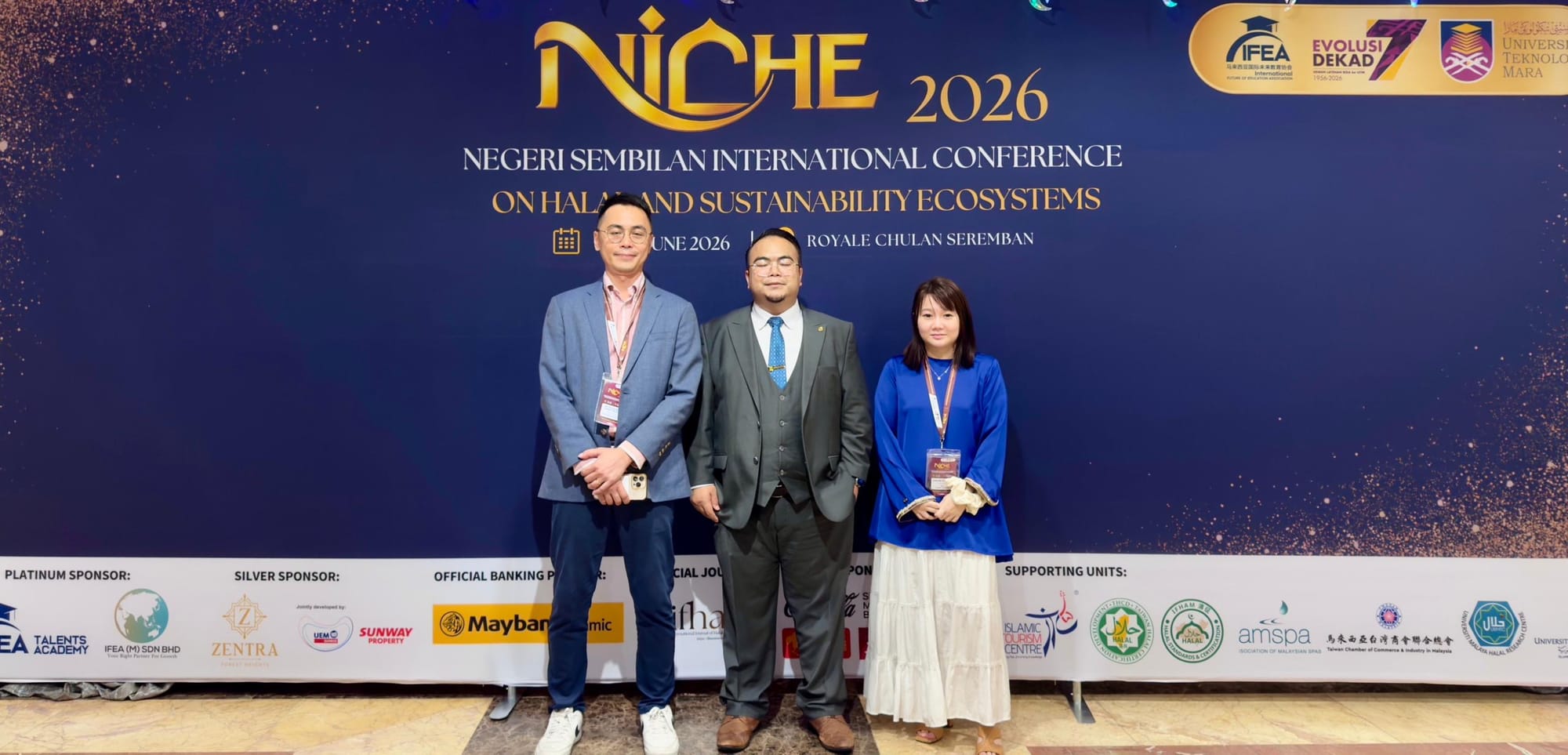
NEGERI SEMBILAN INTERNATIONAL CONFERENCE ON HALAL AND SUSTAINABILITY ECOSYSTEMS (NICHE) 2026
Date: 9th - 10th June 2026
Venue: Royale Chulan Seremban
Event Highlights
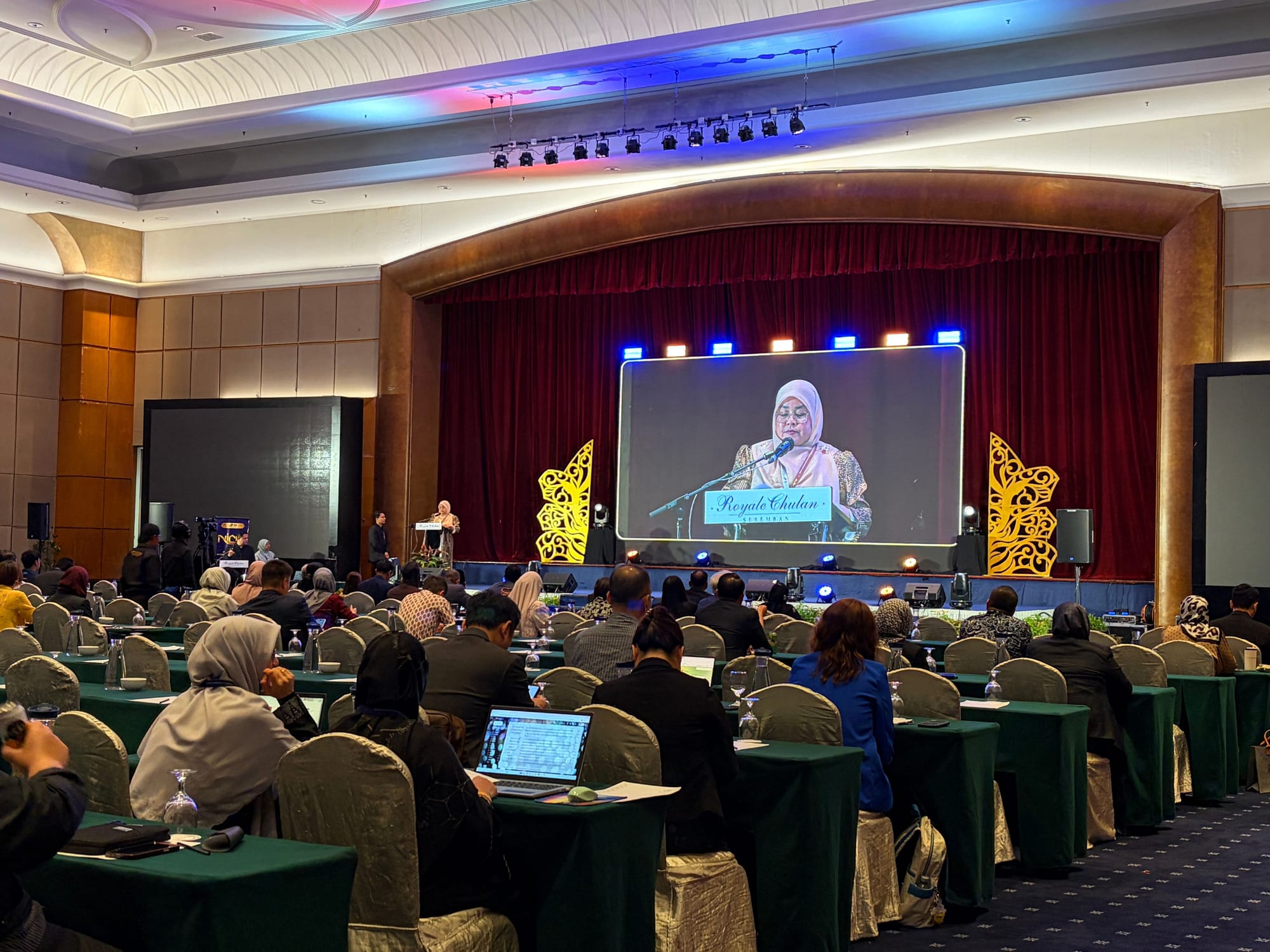
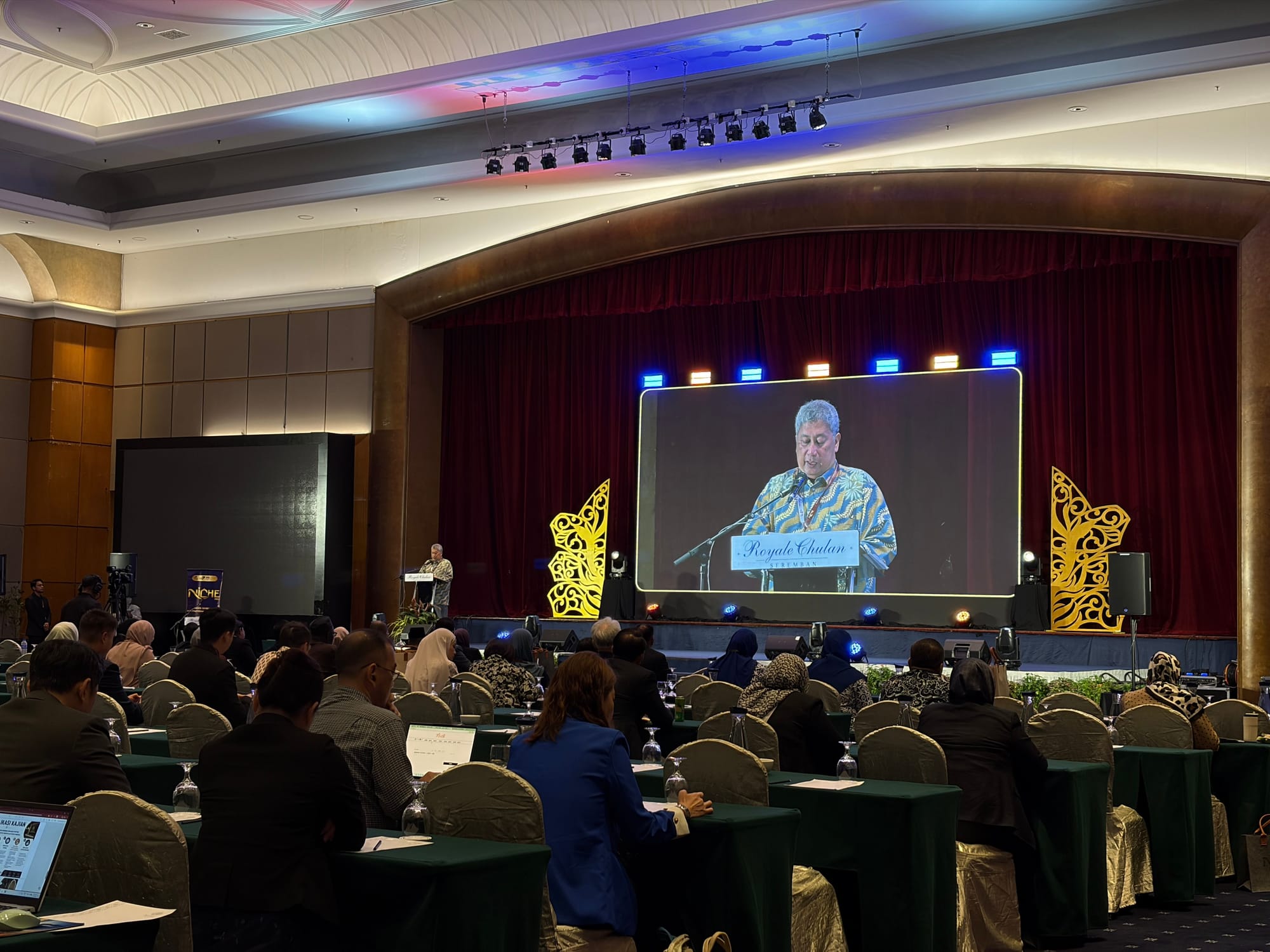
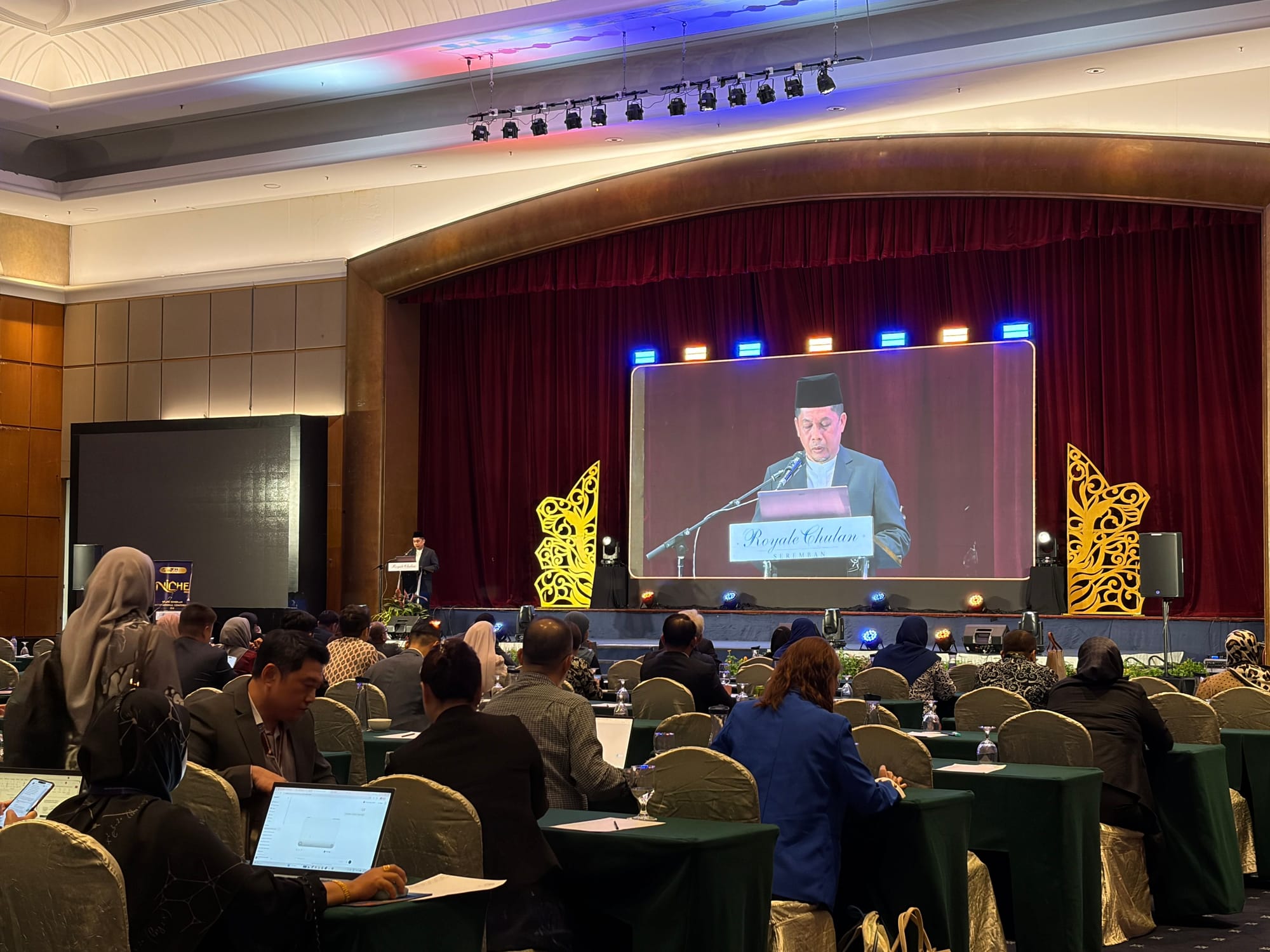
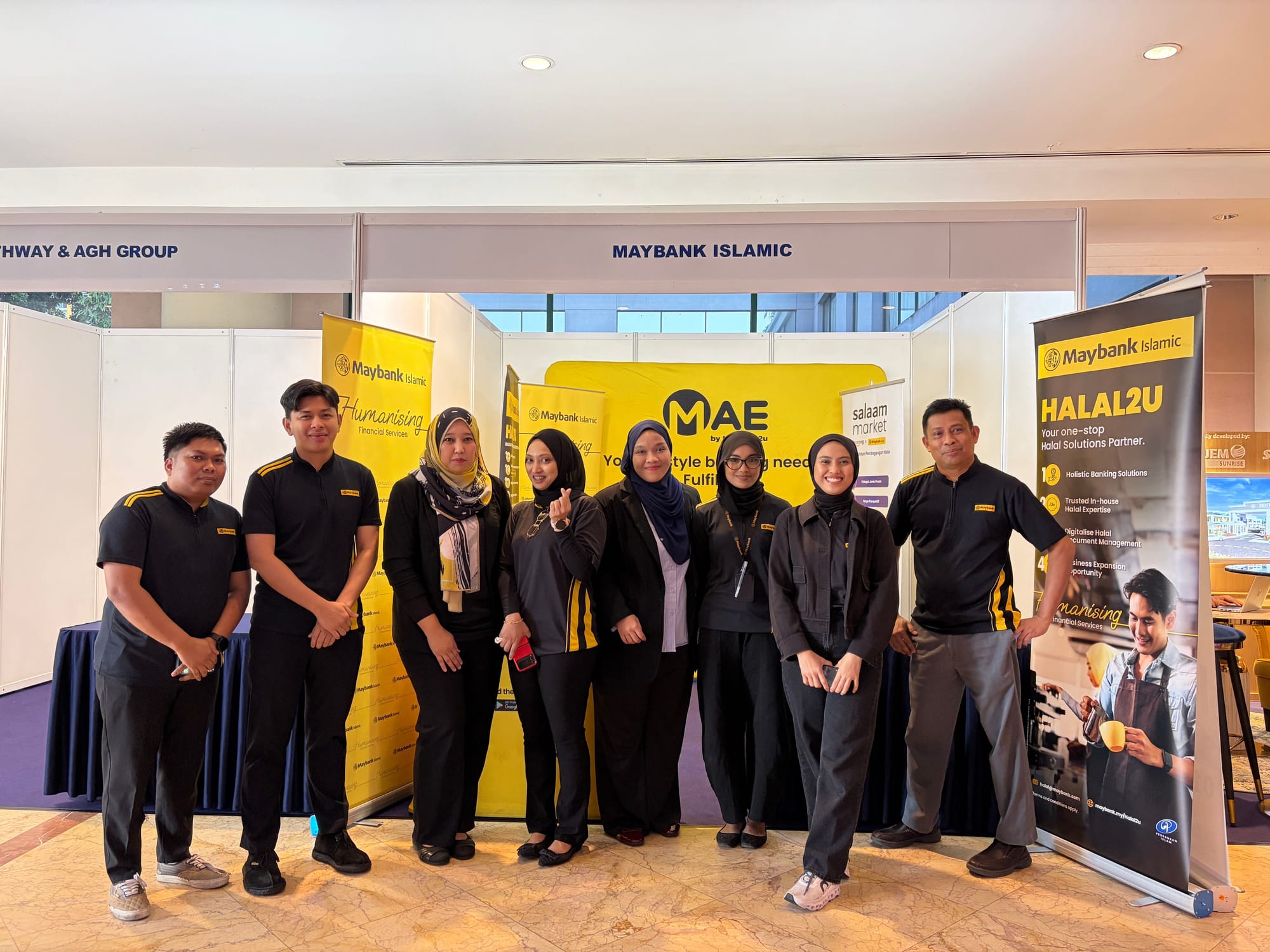
THEMES
Where Policy Meets Opportunity
Gain first-hand insights from JAKIM and the Negeri Sembilan Government as they unveil new directions, incentives, and policy frameworks for Halal and Muslim-Friendly industry growth.
Unlock the Halal Economy’s Next Growth Wave
Discover how Halal and Muslim-friendly sectors are evolving into multi-billion-ringgit markets — from food manufacturing and tourism to fashion, cosmetics, and technology innovation.
Expand Your Business Beyond Borders
Learn how to navigate cross-border Halal recognition, access new markets in Indonesia, China, and Taiwan and connect with international certification bodies and trade agencies.
Muslim-Friendly Business & Lifestyle Summit
Discover how global brands and tourism players are expanding into Muslim-friendly markets — from travel and hospitality to fashion, wellness and more!
Academia–Industry Collaboration Day
Academic Conference (Day 2 – 1st Floor): An academic track featuring UiTM Negeri Sembilan and international researchers presenting research on Halal innovation, policy, and human capital development.
Exclusive Networking & Investment Sessions
Engage directly with policymakers, investors, and certifiers through “Meet the Certifier” clinics, 1-to-1 business matching, and a VIP executive roundtable with the VIPs.
Agenda
Doa Recitation: Mr Muhammad Noor bin Hussin
Malaysia National Anthem
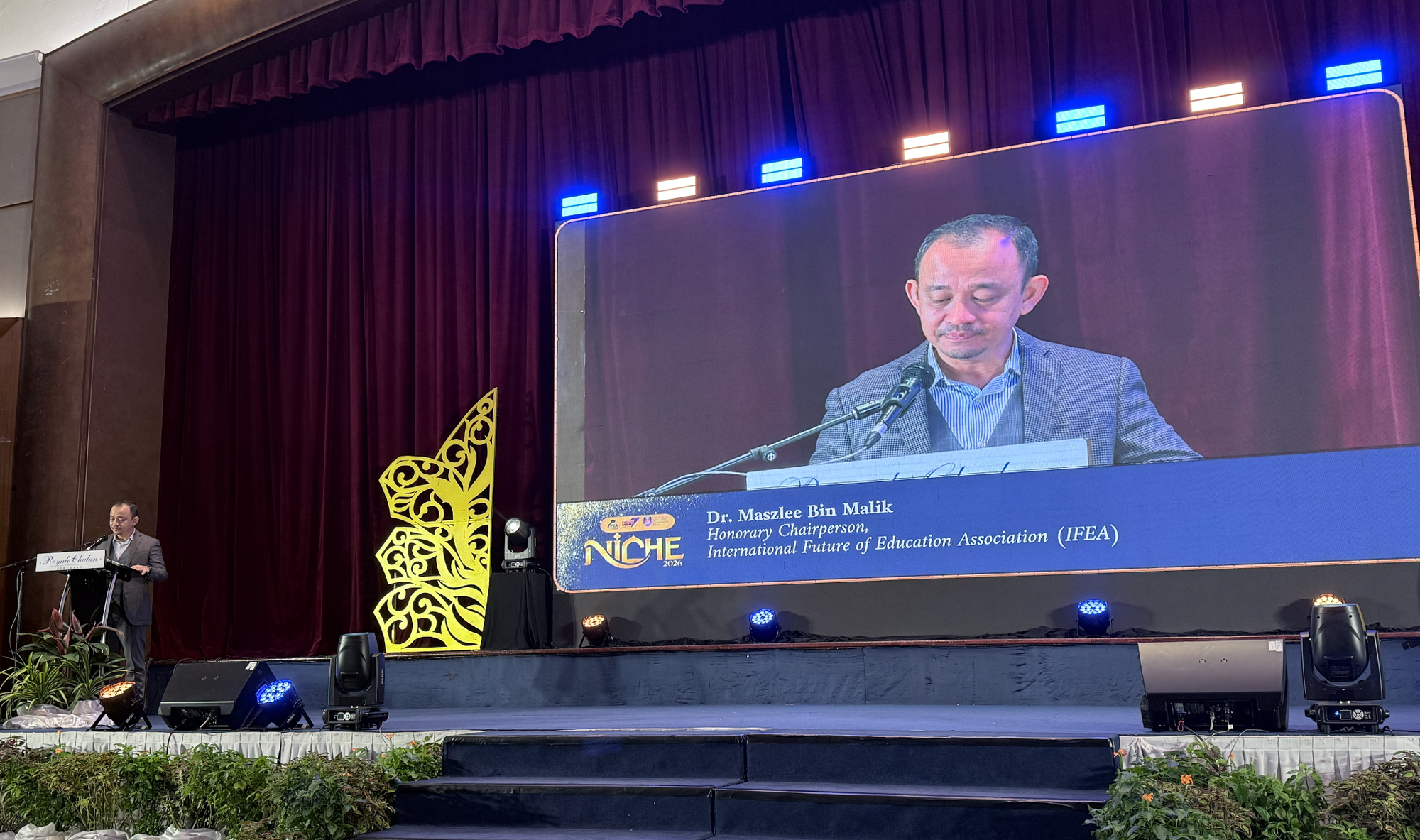
Welcome remarks: IFEA
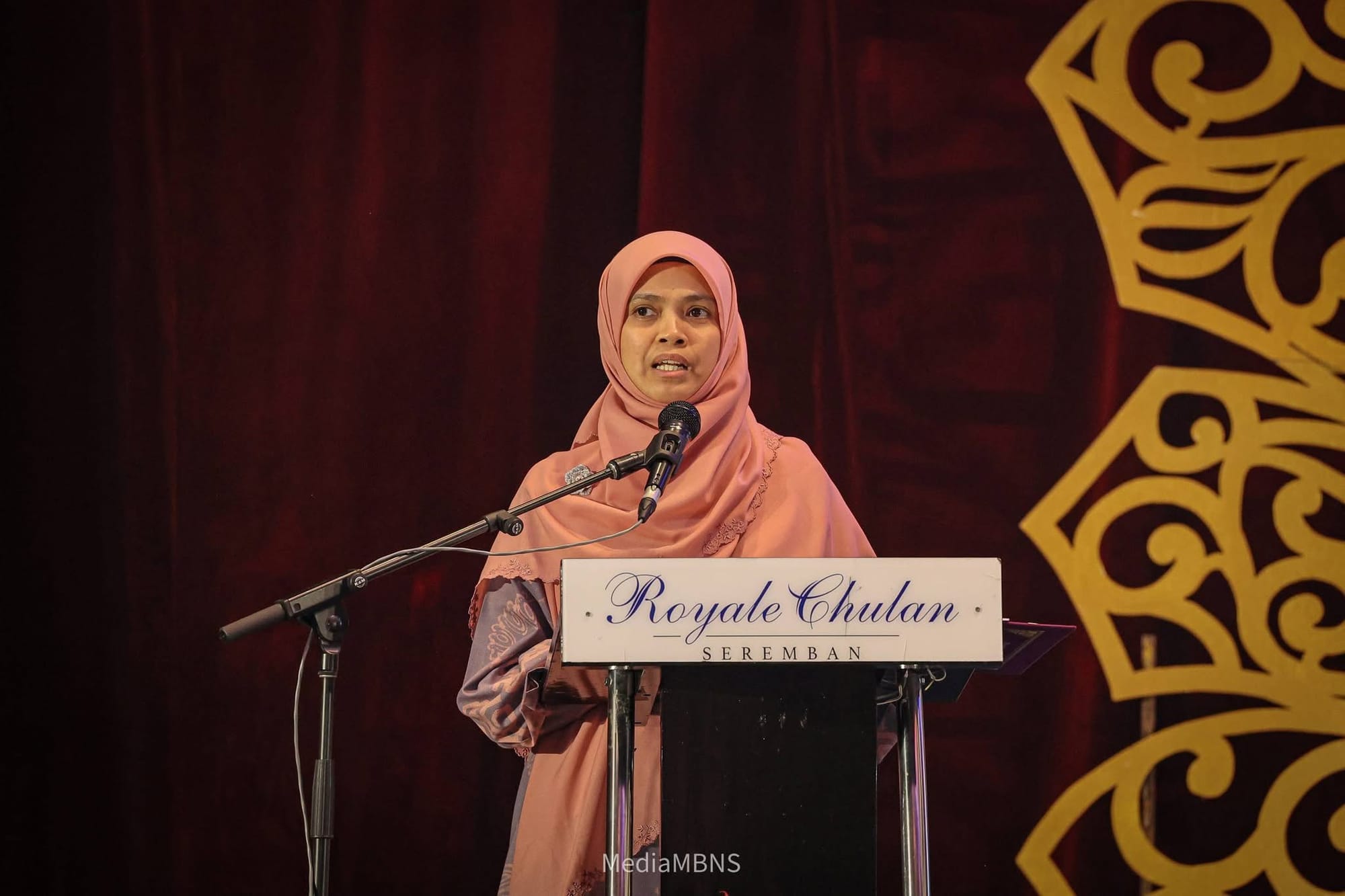
Opening Speech: Associate Professor Ts. Dr. Noorlis Ahmad, Deputy Rector of Academic Affairs, Excercising the Functions of Rector, UiTM Cawangan Negeri Sembilan
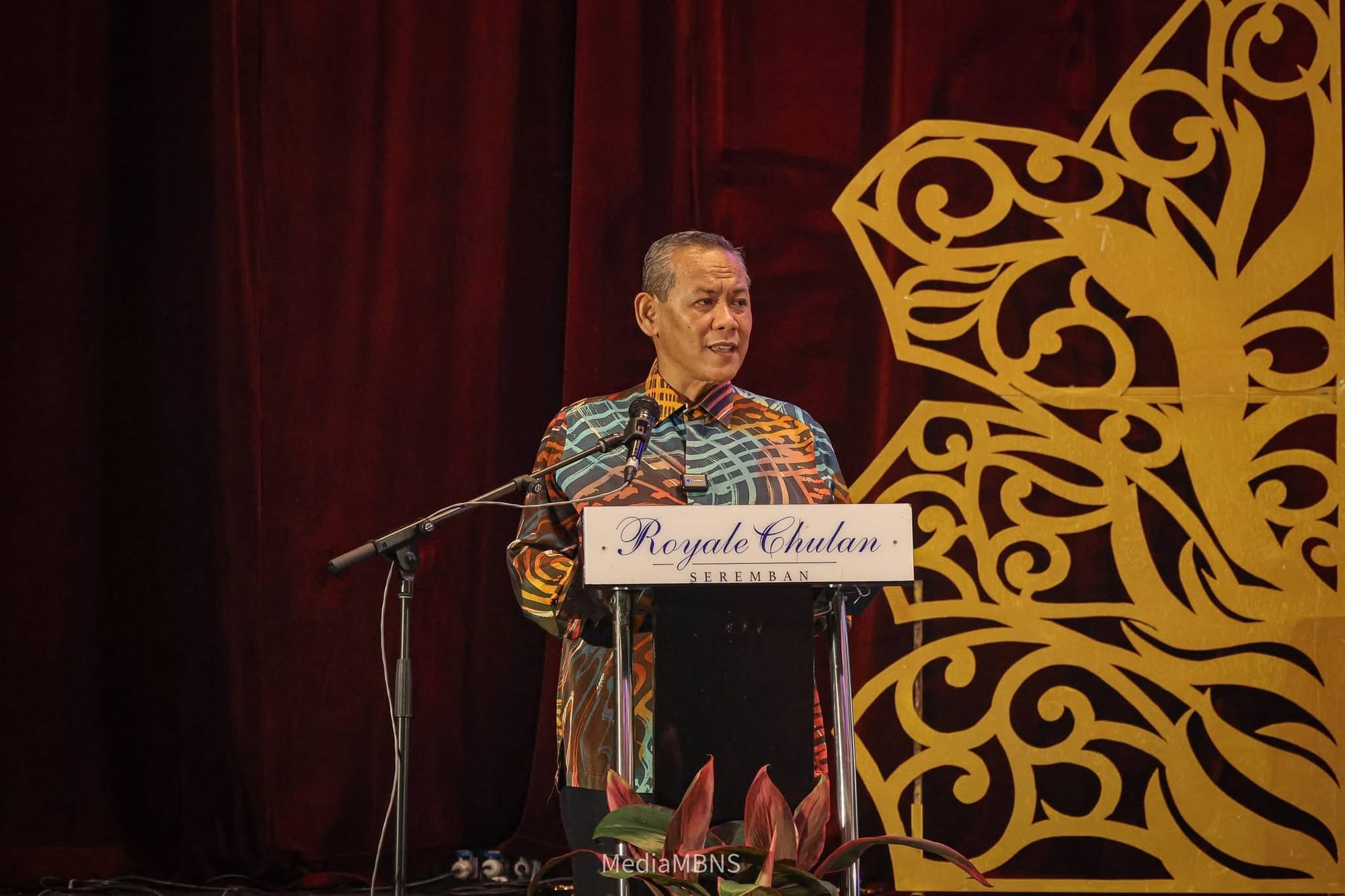
Guest of Honor Speech:
"Halal Integrity in a Global Market: Challenges & Solutions”
Key challenges in maintaining Halal integrity across global markets, including compliance, certification, and supply chain risks, while highlighting practical solutions for businesses and regulators.
Speaker: Mr Muhyidin bin Aziz @ Saari, Director of the Halal Management Division, Jabatan Kemajuan Islam Malaysia (JAKIM)
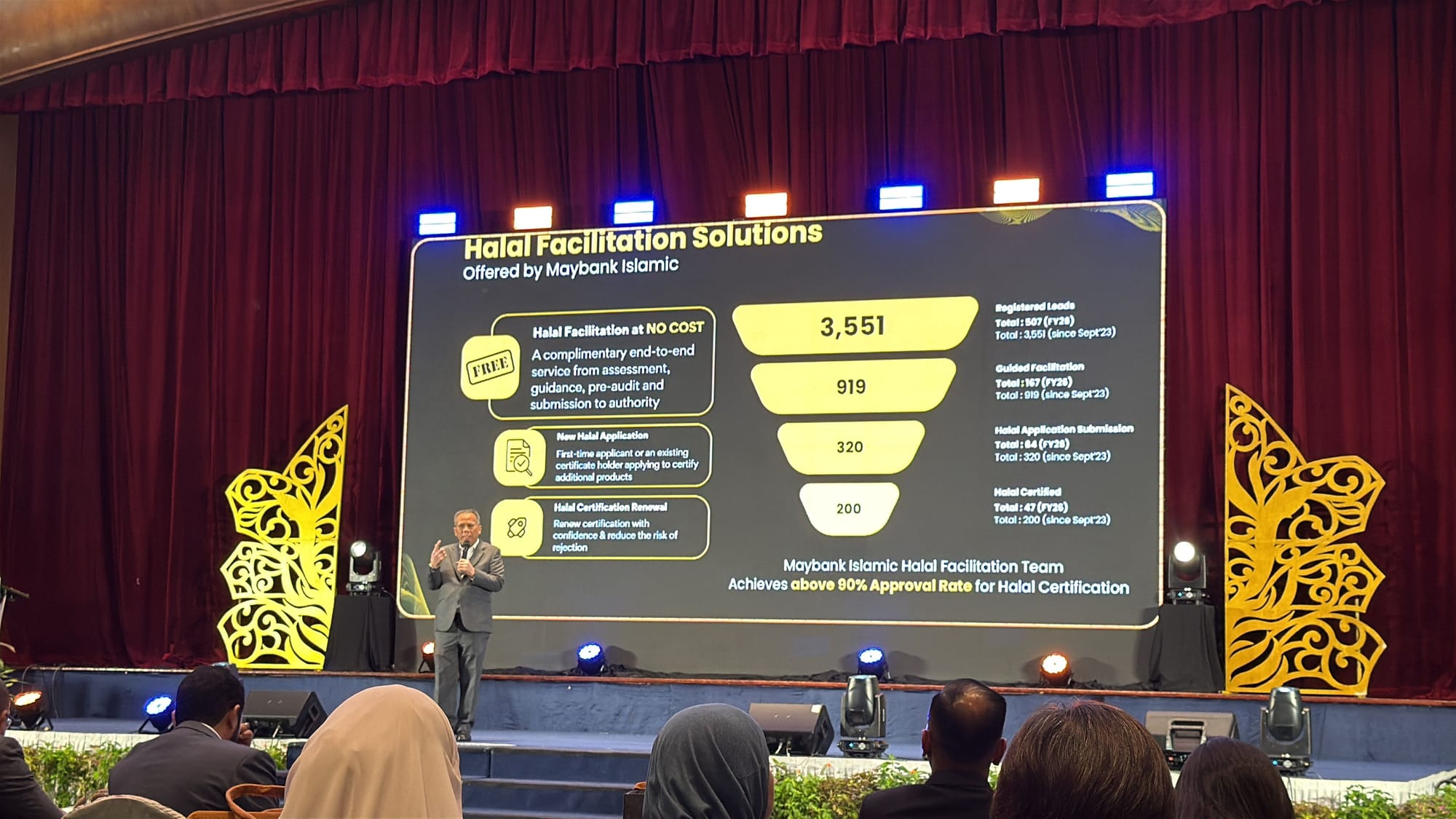
A thriving Halal economy is built on more than certification; it requires strong ecosystem support across trade, financing, supply chains, and market access. This session explores how Maybank offers integrated solutions that unlock business growth while contributing to a more connected and sustainable Halal ecosystem.
Speaker: Mr Adnan bin Sharif, Head, Regional Halal Ecosystem of Maybank Islamic Berhad
This session provides Malaysian Halal manufacturers with practical guidance on export readiness, market entry pathways, and available support. Participants will gain clear insights into export grants, subsidies, trade promotion programmes, and priority overseas markets, with a focus on Halal products.
Speaker: Mr Idzham Abdul Hamid, Director of Halal, Food & Beverages, Agro-based (HAFBA) Section, Malaysia External Trade Development Corporation (MATRADE)
Speaker: Puan Faizah Mohd Paiz, Manager, Market Development Unit, Malaysia External Trade Development Corporation (MATRADE)
Explores how Halal OEM enables scalable production for Malaysian and ASEAN brands while addressing key challenges in certification responsibility, compliance, and risks of brand misuse.
Speaker: Puan Ashley Amanina Mohd Raihan, Halal Consultancy & Advisory, Halal Development Corporation (HDC)
As global Halal supply chains become increasingly complex, digital technologies are playing a critical role in enhancing transparency, traceability, and consumer trust. This session explores how innovations such as blockchain, digital traceability systems, and anti-fraud solutions can strengthen Halal integrity, improve supply chain visibility, and protect businesses and consumers from certification misuse and counterfeit claims.
Speaker: Ms Noorhaina Mohd Noor, VP, Enterprise Solutions, Interstream Sdn Bhd
Scaling Halal Brands Through Franchising: Challenges, Compliance & Global Opportunities!
Scaling Halal brands starts locally. This session explores how businesses can build franchise-ready models, ensure Halal compliance, and expand into regional and global markets. Discover how franchising can drive growth, ensure compliance, and unlock regional expansion opportunities.
Speaker: Mr Akmal Zaman Abu, Principal Consultant, Lamka Advisory
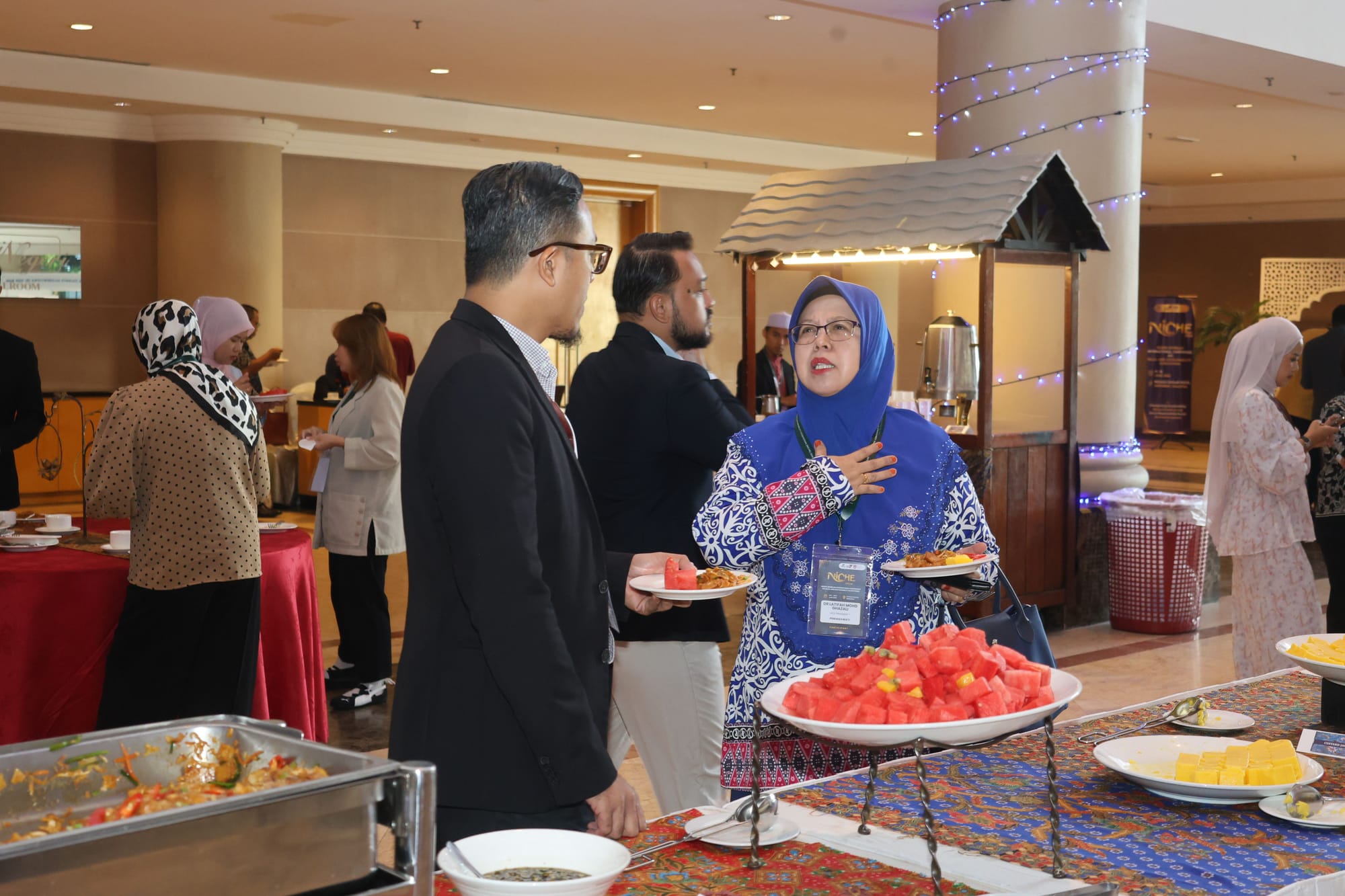
Business Discussion / Connection
Preparation for Gala Dinner
Photo Booth / Goodie Customization
Registration
- Registration of Guests, Participants and Media
- Arrival of VIPs
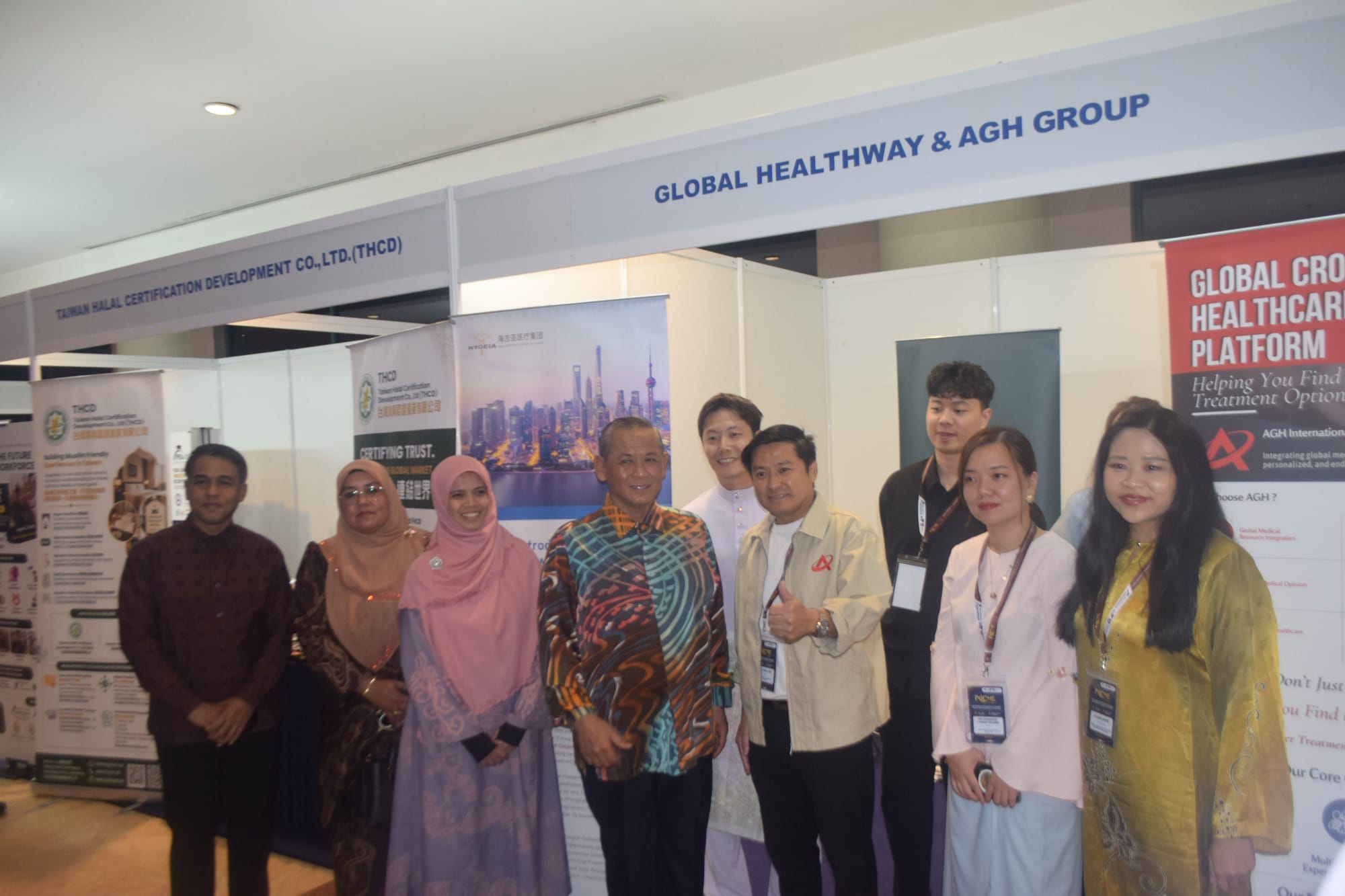
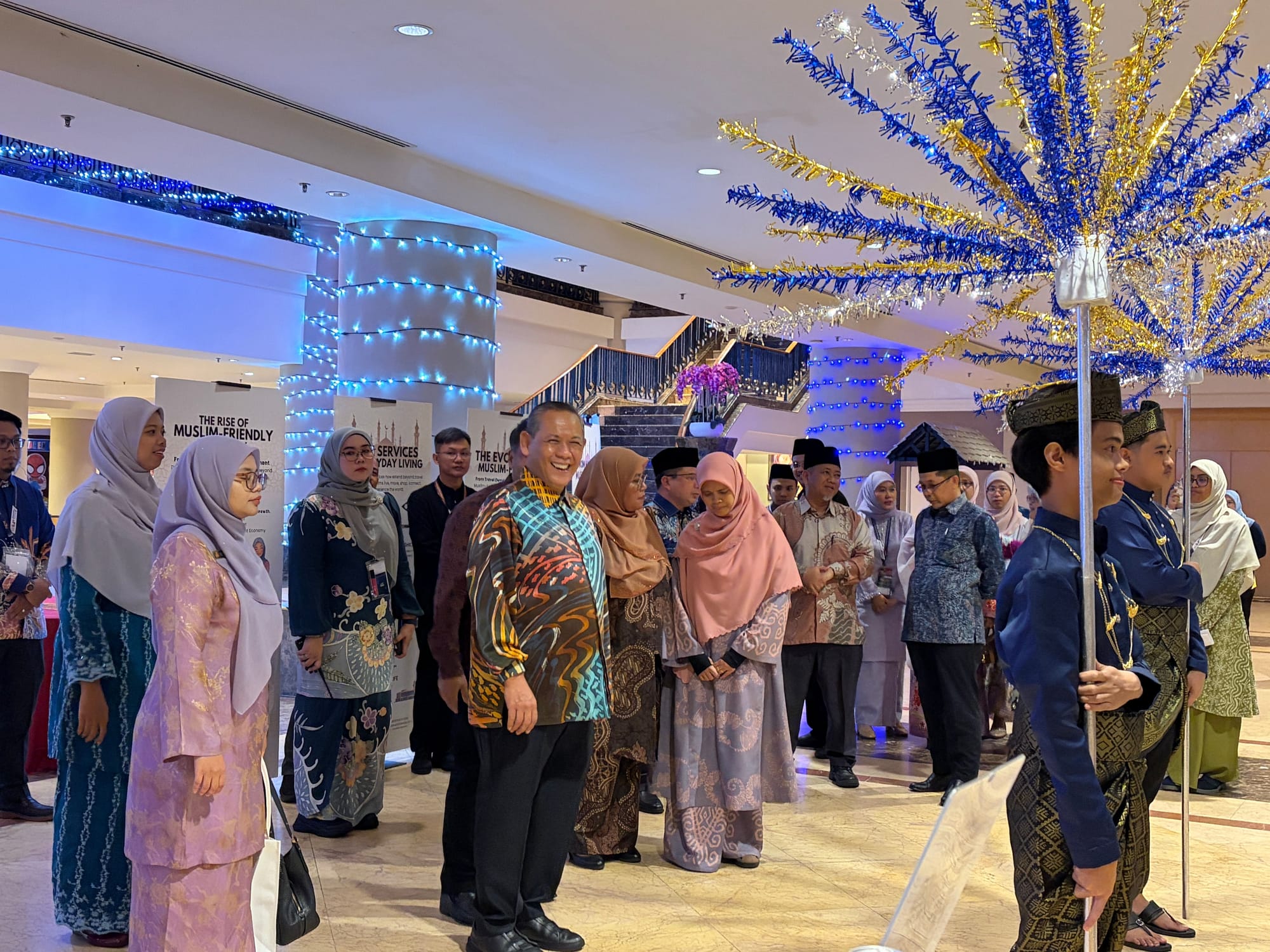
- VIPs Walkabout at Exhibition Booths
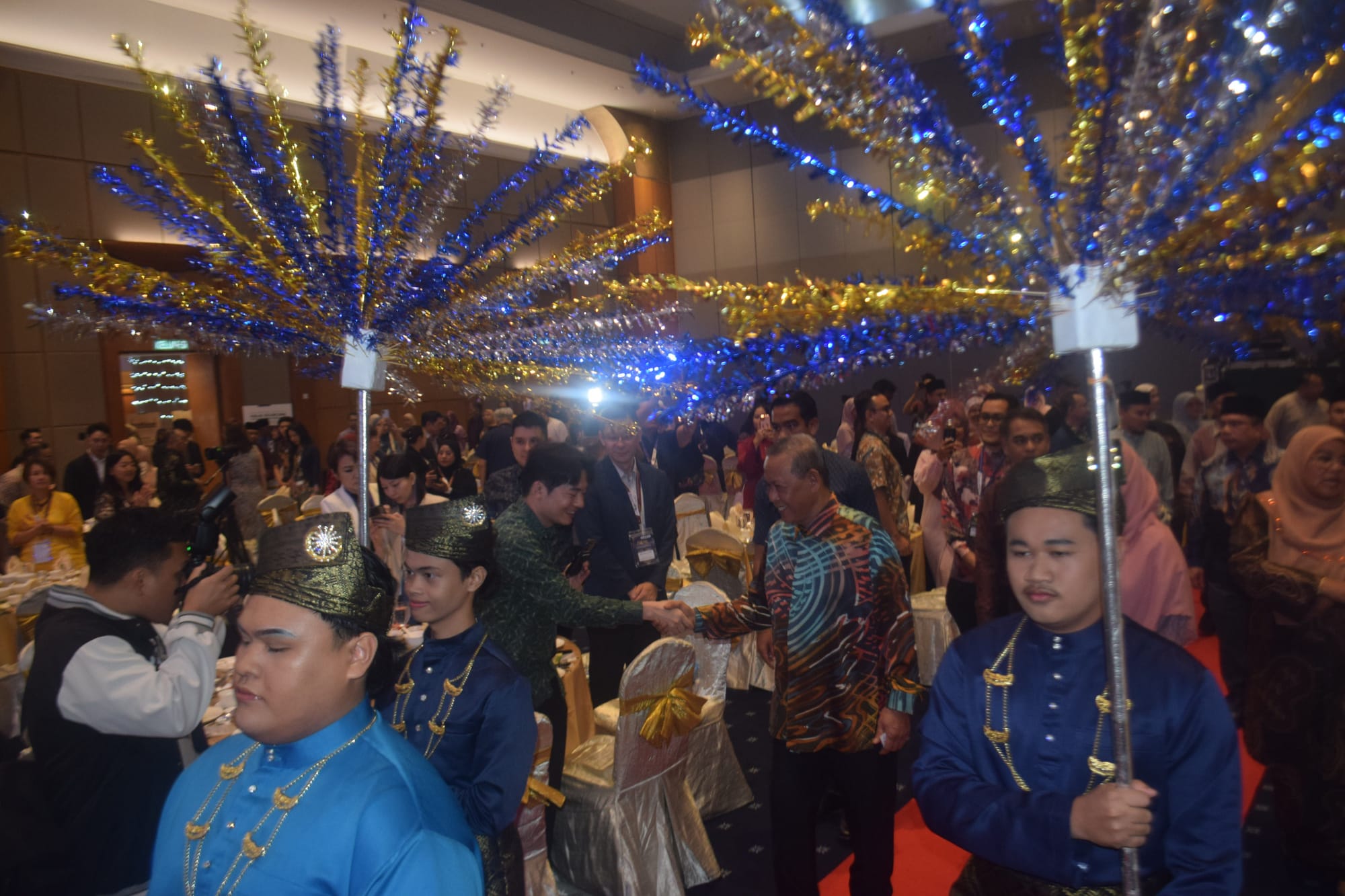
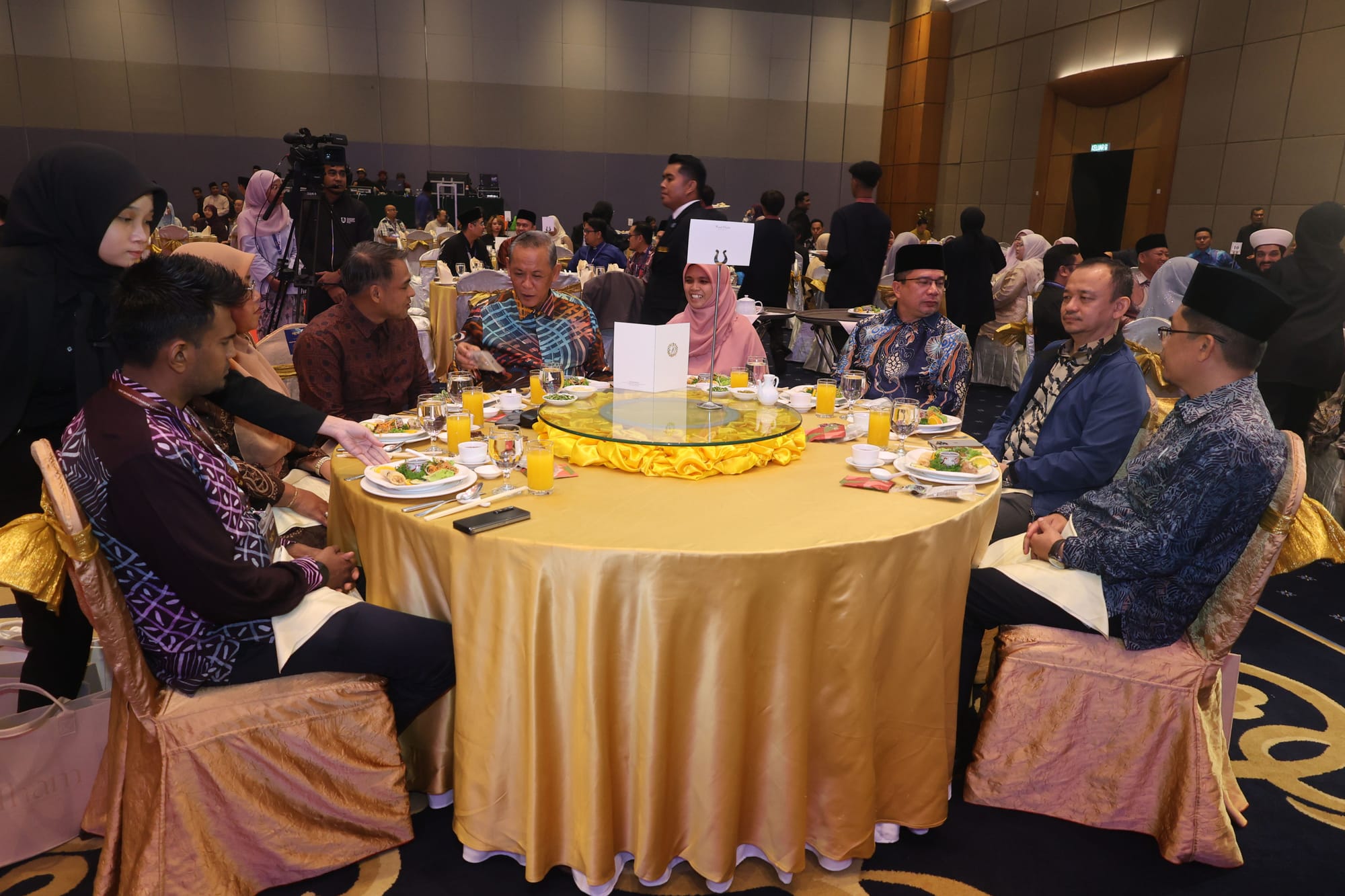
Gala Dinner Starts
- Doa Recitation: Dr Muhammad Firdaus bin Hj Abdul Manaf
- Welcoming Speech
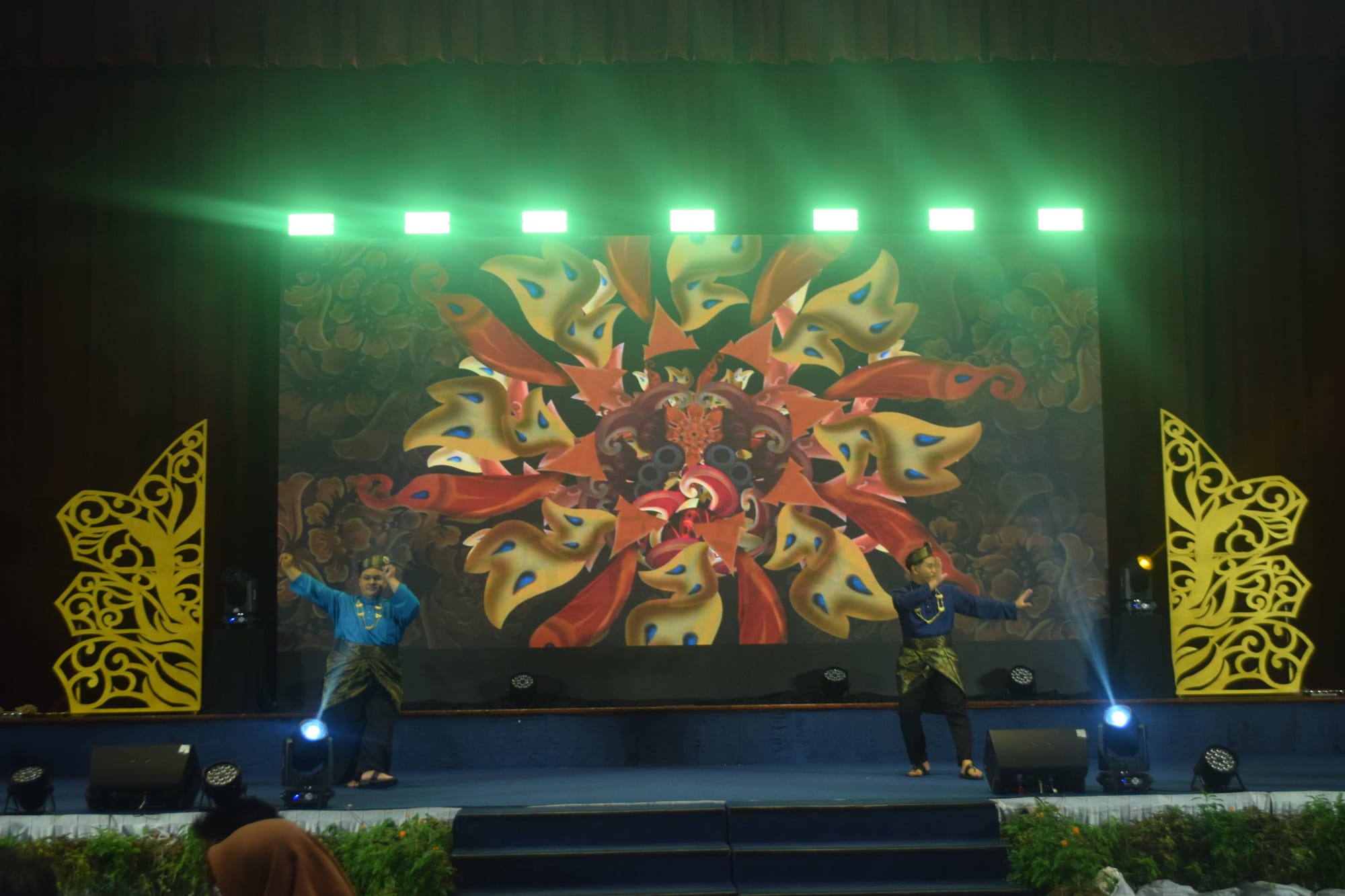
- Cultural Performance by UiTM Students
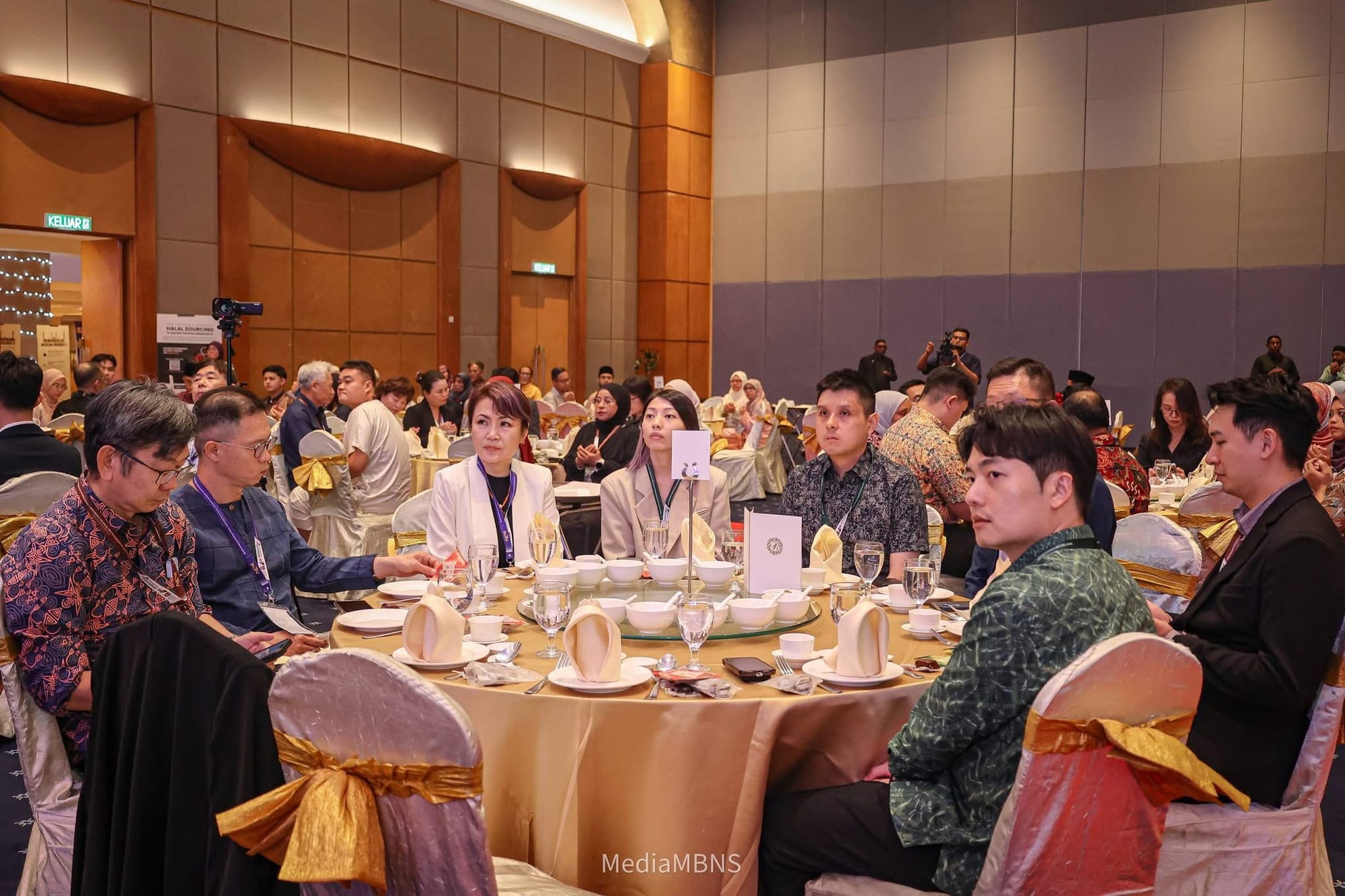
- Grand Welcome Dinner
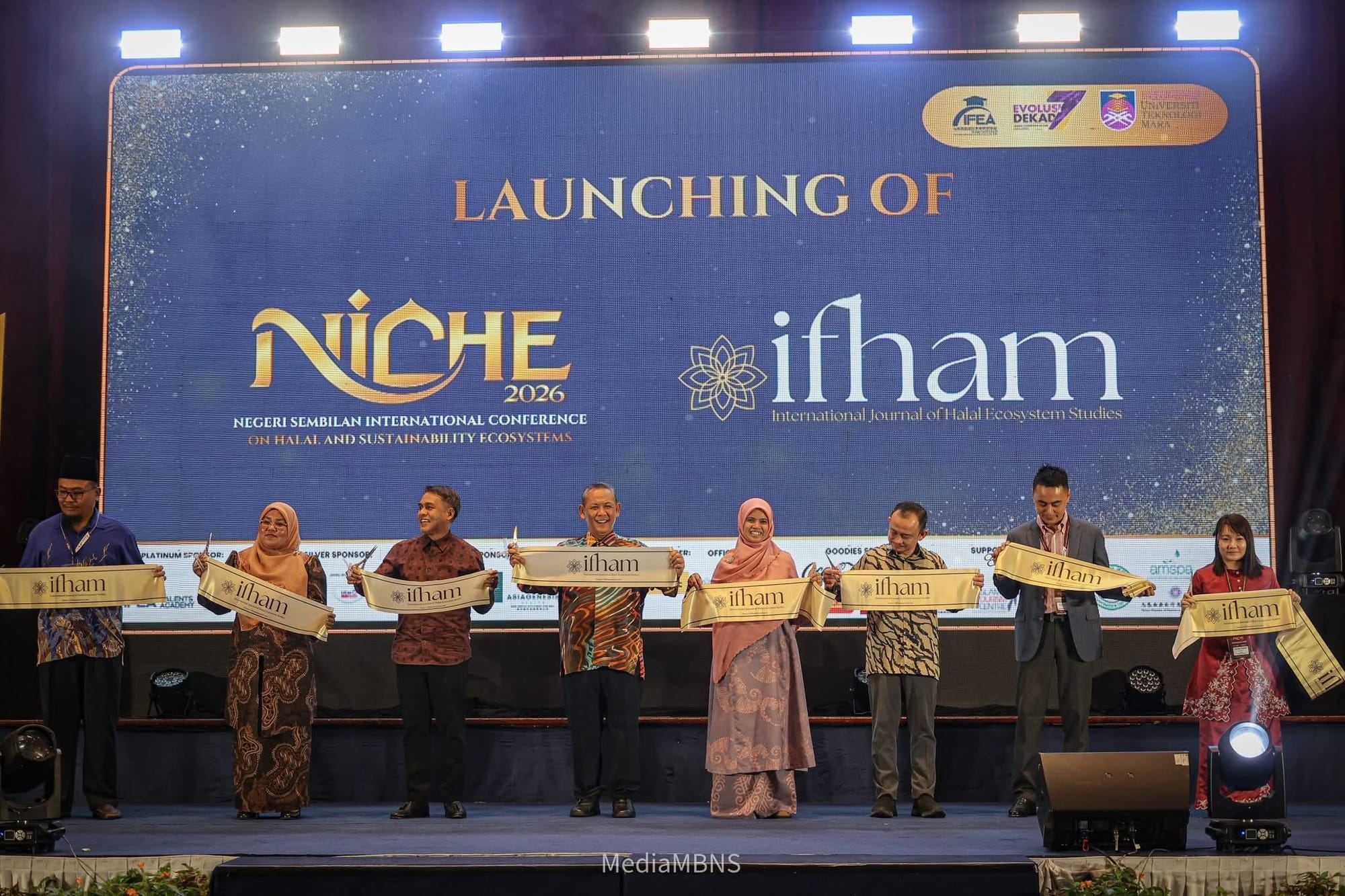
- Official Launching Ceremony
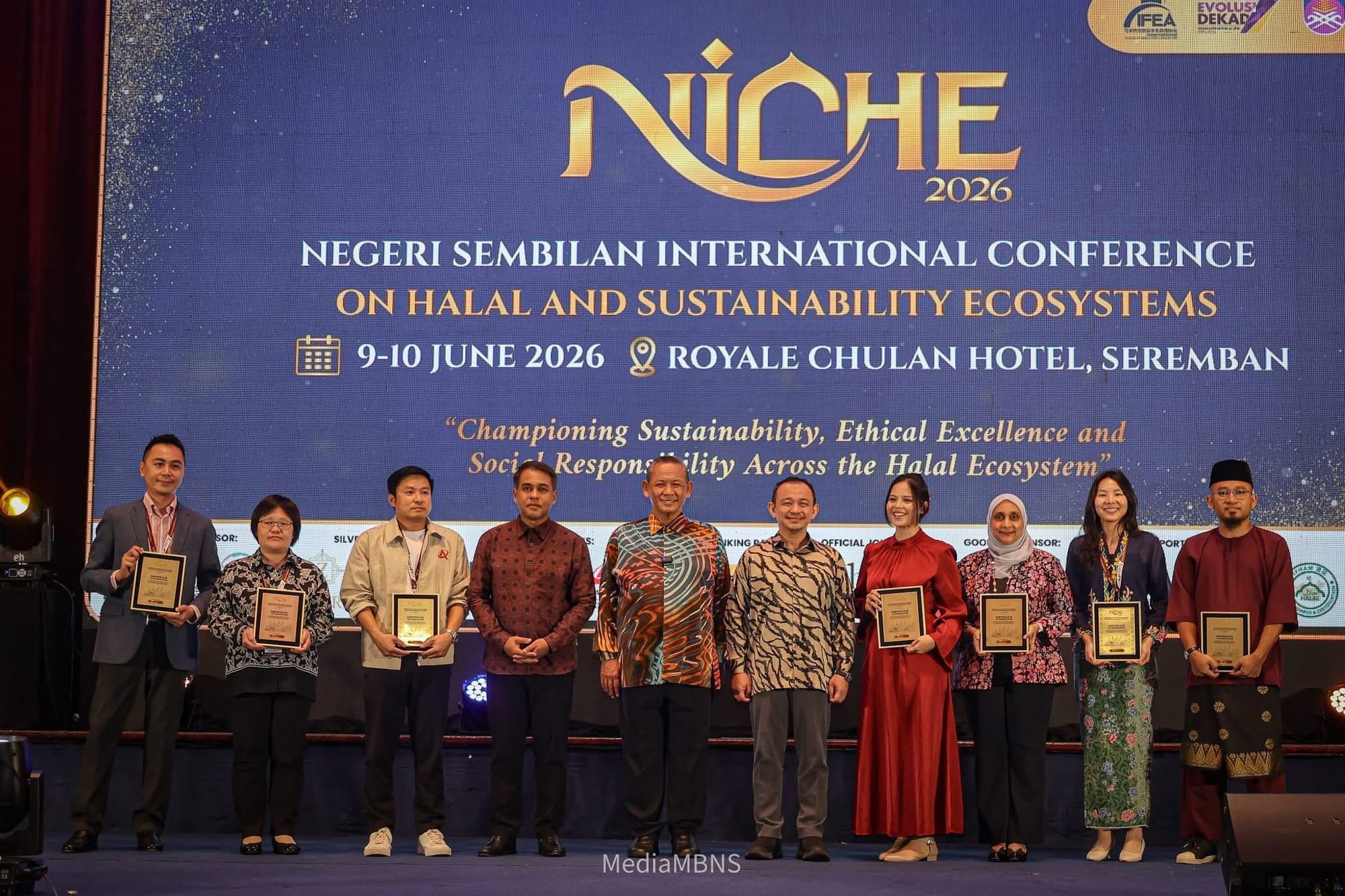
- Sponsors and Speakers Appreciation Ceremony
- Musician Performance - De Bojangs Cak Lempung
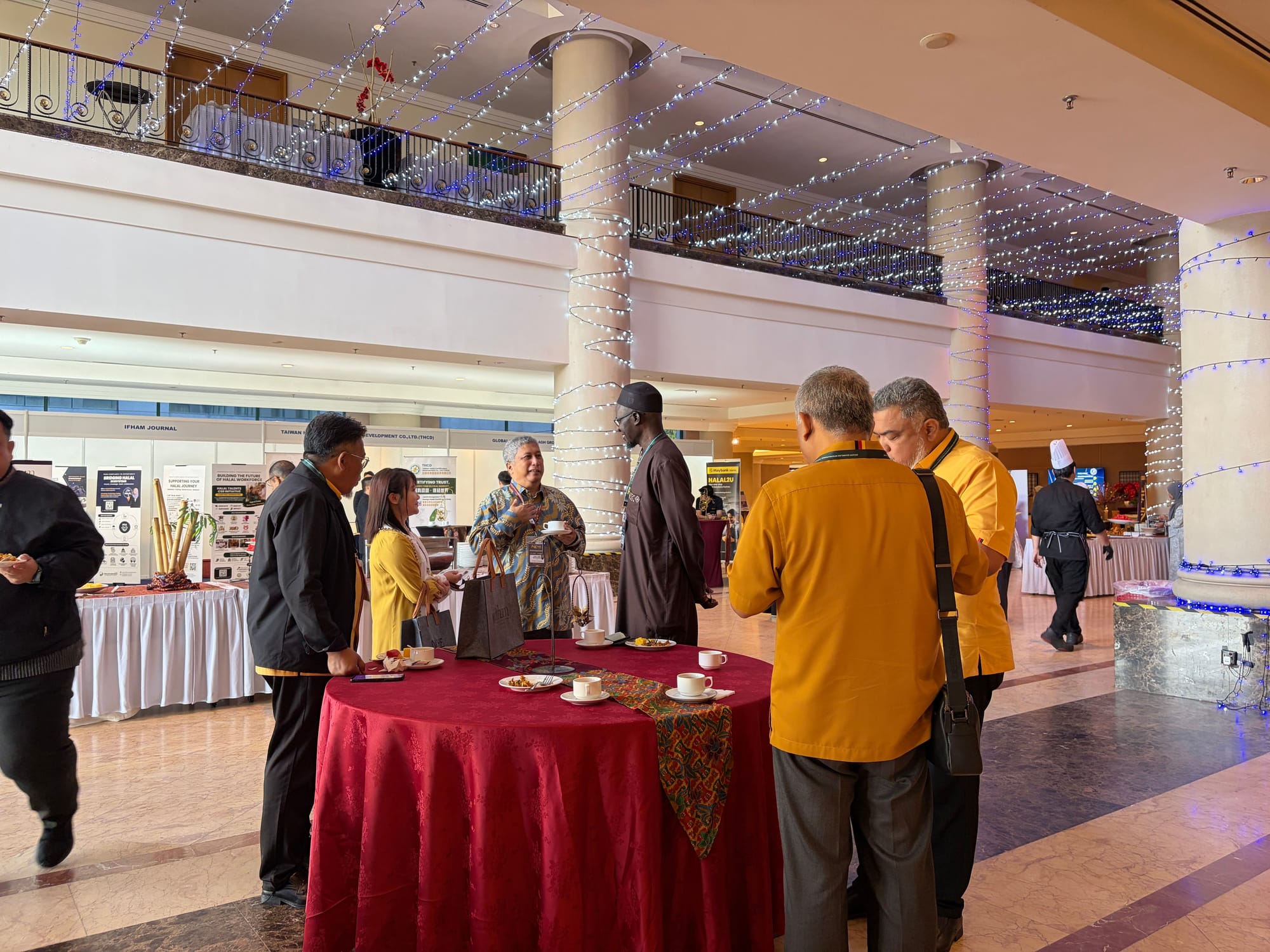
- Networking Session
- Photo Session
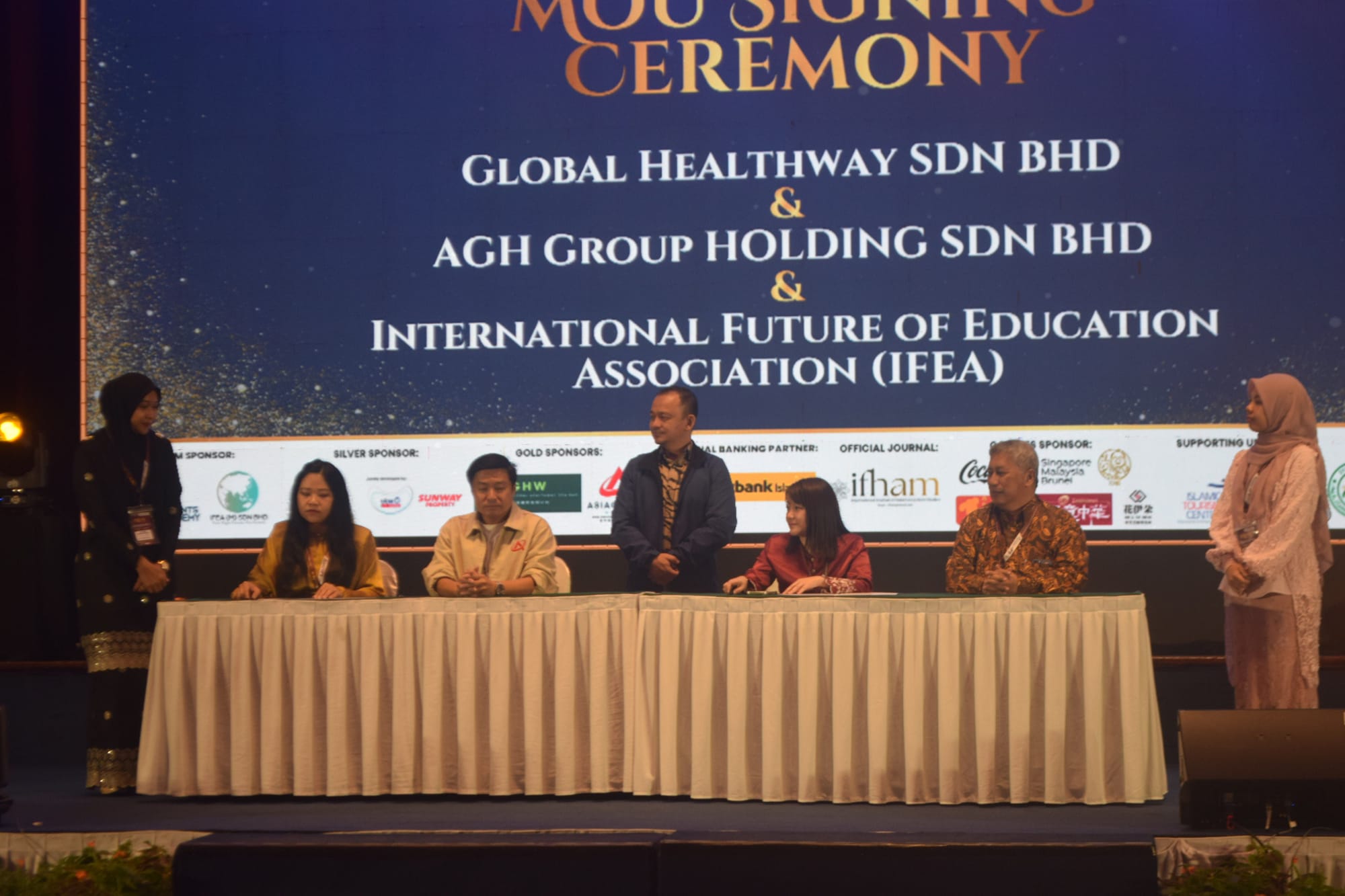
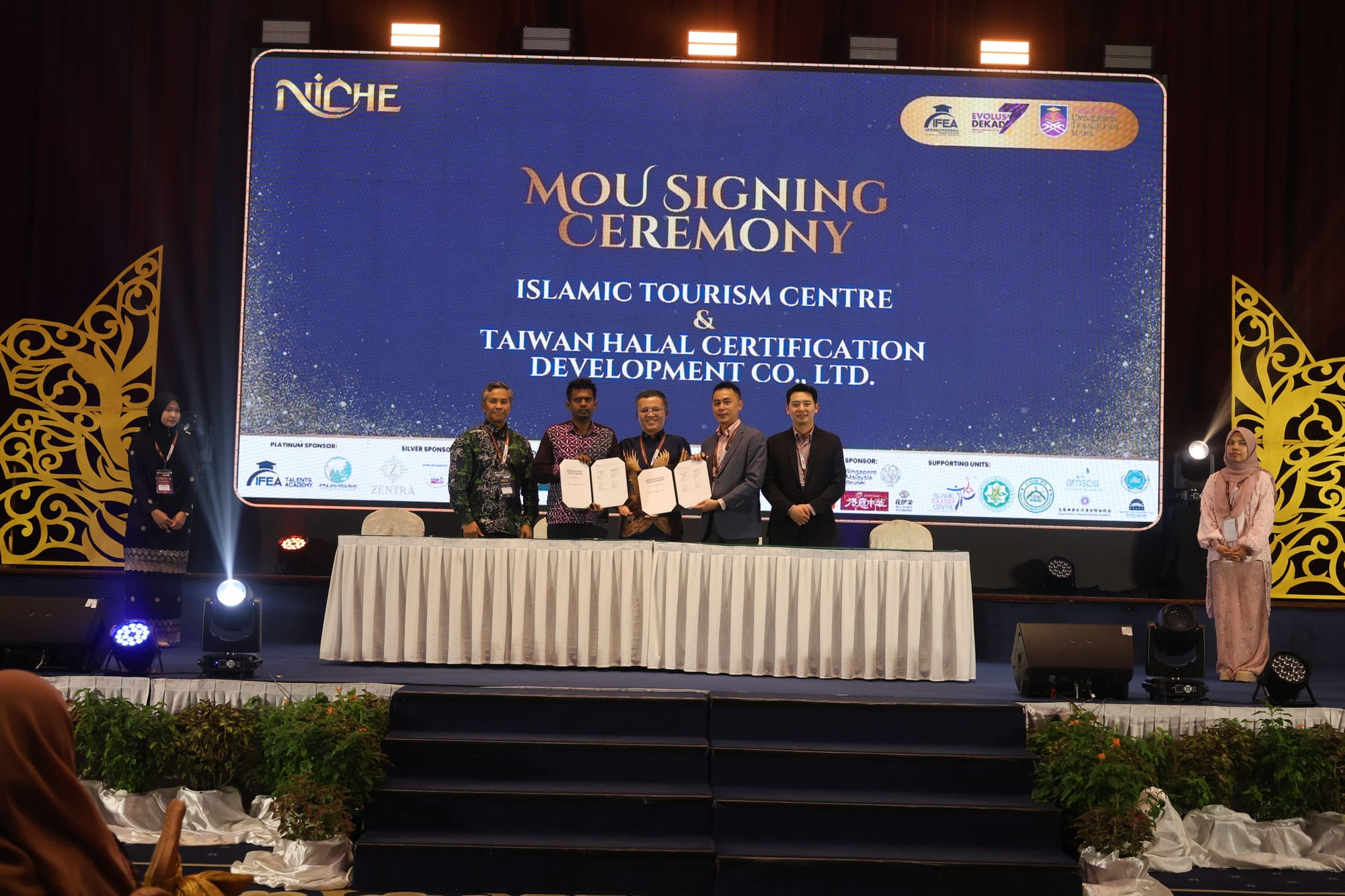
- MOU Ceremony
- Press Conference Session
- End of Gala Dinner
Doa Recitation: Profesor Madya Dr Najahudin Bin Lateh, Pengarah ZAWAF, Bahagian Zakat Sedekah dan Wakaf UiTM
Opening Remark: Ts. Dr. Aslizah Mohd Aris, Deputy Rector of Research, Industry, Community, and Alumni Linkages, UiTM Cawangan Negeri Sembilan
Guest of Honor - Speech: YBrs. Mr Chua Choon Hwa, Deputy Secretary General (Tourism) of Ministry of Tourism, Arts and Culture (MOTAC)
Recap Day 1 & Introduce Muslim-Friendly Ecosystems
As the Muslim-Friendly industry continues to grow globally, there is an increasing need for greater clarity, consistency, and alignment in standards and implementation practices. This keynote explores the evolution of Muslim-Friendly initiatives, Malaysia’s leadership role in the ecosystem, and the future direction of standards that support industry growth, consumer confidence, and international recognition.
Speaker: Mr Mohammad Faisal Abu Suaib Khan, Director-General of Islamic Tourism Centre (ITC)
1. Panelist (MFAR Hotel): Puan Sharifah Azwani Binti Syed Hamzah, Multi Property Halal Liaison Manager of Palm Garden Hotel, Putrajaya, a Tribute Portfolio Hotel
2. Panelist (MFAR Spa): Puan Hana Halim, Immediate Past President, Association of Malaysian Spas (AMSPA)
3. Panelist (Muslim-Friendly Tourist Guide (MFTG): Ms Low Wei Hsing, Kuala Lumpur Tourist Guide Association
4. Panelist (MFAR Travel Agency): Mr Abdul Halim Bin Aliumar, Managing Director, Nuh Travel & Tours
Moderator: Assoc. Prof Siti Sara Ibrahim, Associate Professor, Faculty of Business Management, UiTM Negeri Sembilan Kampus Rembau
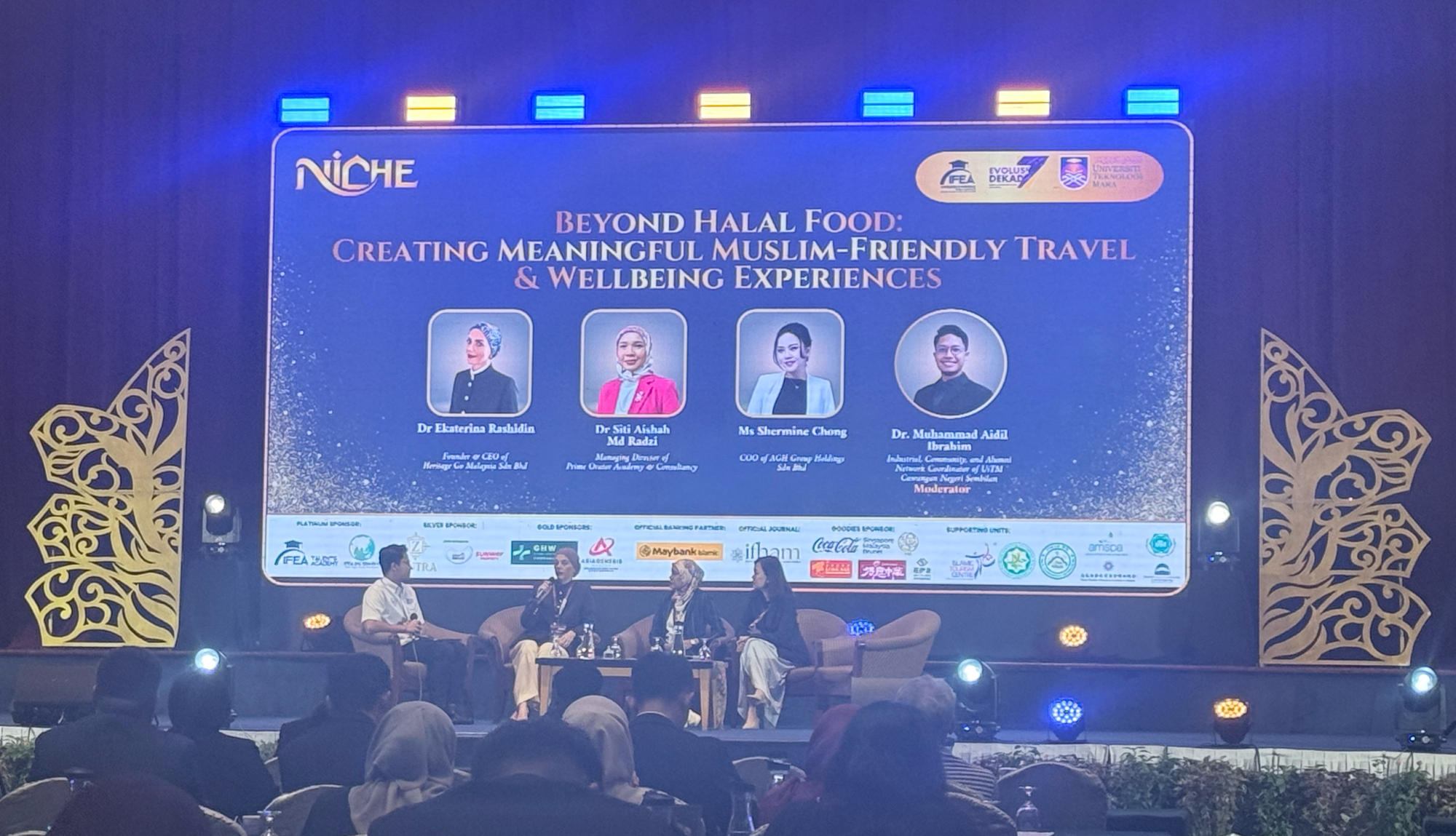
Today's Muslim travellers are travelling for more than leisure. Whether for tourism, healthcare, education, or wellness, travellers increasingly seek experiences that align with their religious needs, comfort, and lifestyle expectations. This session explores how destinations, healthcare providers, and service operators can deliver meaningful Muslim-Friendly experiences that go beyond basic facilities and create lasting trust and satisfaction
1. Panelist (Muslim Traveller):: Dr Ekaterina Rashidin, Founder & CEO of Heritage Go Malaysia Sdn Bhd
2. Panelist (Healthcare): Dr Siti Aishah Md Radzi, Managing Director of Prime Orator Academy & Consultancy
3. Panliest (Medical Travel): Miss Shermine Chong Shi Min, COO of AGH Group Holdings Sdn Bhd
Moderator: Dr. Muhammad Aidil Ibrahim, Industrial, Community, and Alumni Network Coordinator, UiTM Cawangan Negeri Sembilan
As Muslim consumers become increasingly informed and discerning, businesses must go beyond compliance to deliver trustworthy, consistent, and high-quality experiences across multiple touchpoints. This panel explores how leading organisations in hospitality, retail, and quality assurance build consumer confidence, manage operational consistency, and meet evolving expectations in today's Muslim-Friendly marketplace.
Panel Speaker:
1. Panelist (Standards & Quality Assurance): TBC
2. Panelist (Hotel): Hj. Ismail Hisham Ahmad Zambri, Executive Director of JH Hospitality Sdn. Bhd (Fairfield by Marriott).
3. Panelist (Retail): Mr. Zulfadli Bin Anaspekri, Manager, Halal Strategy & Public Affairs of Jaya Grocer (Trendcell Sdn Bhd)
Moderator: Dr Muhammad Irhammudin Bin Ibrahim, Assistant Professor, International Institute for Halal Research & Training (INHART), International Islamic University Malaysia (IIUM)
As the Muslim-Friendly industry continues to expand across tourism, hospitality, retail, and lifestyle sectors, businesses are increasingly seeking greater clarity on standards, implementation requirements, and consumer expectations. This panel explores the relationship between Halal and Muslim-Friendly ecosystems, the role of standards in building trust and consistency, and the practical challenges faced by industry players in meeting evolving market demands while maintaining credibility and competitiveness.
Panel Speaker:
1. Panelist (Muslim-Friendly): Mr Mahathir Amin, Director, Industry Development Division of Islamic Tourism Centre (ITC)
2. Panelist (Standards Development): Puan Sabariah Abdul Talib, Senior Assistant Director, Standardisation Division of Department of Standards Malaysia (JSM)
Moderator: Associate Professor Dr. Zalina Binti Zakara, Director of University of Malaya Halal Research Centre (UMHRC)
Exploring consumer trends, trust, branding, and growth opportunities in Malaysia’s evolving Muslim-Friendly lifestyle market.
Key Discussion Themes:
- Evolving Muslim consumer behaviour
- Lifestyle branding beyond certification
- Beauty, modest fashion & wellness trends
- Consumer trust and transparency
- Malaysia’s competitiveness in Muslim-Friendly markets
- Future opportunities in regional and global markets
Panel Speaker:
1. Panelist (Cosmetics): Puan Izdihar Mohd Noor, Senior Manager, New Product Development of Simplysiti (CTDK Holdings Sdn Bhd)
2. Panelist (Spa & Wellness): Puan Selinastein binti Mohd Rashid, President of Association of Malaysian Spas (AMSPA)
3. Panelist (Modest Fashion): Emy Yuzliza Yahya, CEO of Prominent Syntax Sdn Bhd
Moderator: Dr. Umi Hamidaton Mohd Soffian Lee, Faculty of Economics & Muamalat, Core-3 Entrepreneurship and Community Service Center of Soft Skills Development, USIM
As consumer expectations, technology, and global travel patterns continue to evolve, the Muslim-Friendly market is entering a new phase of growth and innovation. This keynote explores emerging trends, future opportunities, and the key drivers shaping the next generation of Muslim-Friendly products, services, destinations, and business models across global markets.
Speaker: Dr. Hisham Sabri, Director of University Centre for Entrepreneurship, Universiti Sains Islam Malaysia (USIM)
Event Ends
Registration for Academic Conference
Speakers
Mr Muhyidin bin Aziz @ Saari
Director of the Halal Management Division
Department of Islamic Development Malaysia (JAKIM)
Mr Mohammad Faisal Abu Suaib Khan
Director-General
Director-General of Islamic Tourism Centre (ITC)
Mr Idzham Abdul Hamid
Director of Halal, Food & Beverages, Agro-based (HAFBA) Section
Malaysia External Trade Development Corporation (MATRADE)
Mr Mahathir Amin
Director, Industry Development Division -
Islamic Tourism Centre (ITC)
Puan Sabariah Abdul Talib
Senior Assistant Director, Standardisation Division
Department of Standards Malaysia (JSM)
Puan Ashley Amanina Mohd Raihan
Halal Consultancy & Advisory
Halal Development Corporation (HDC)
Puan Selinastein binti Mohd Rashid
President
Association of Malaysian Spas (AMSPA)
Dr Ekaterina Rashidin
Founder & CEO
Heritage Go Malaysia Sdn. Bhd.
Mr Ismail Hisham Ahmad Zambri
Executive Director
JH Hospitality Sdn. Bhd. (Fairfield by Marriott)
Mr Adnan bin Sharif
Head, Regional Halal Ecosystem
Maybank Islamic Berhad
Mr. Zulfadli Bin Anaspekri
Jaya Grocer (Trendcell Sdn Bhd)
Manager, Halal Strategy & Public Affairs
Puan Izdihar Mohd Noor
Senior Manager, New Product Development
Simplysiti (CTDK Holdings Sdn Bhd)
Puan Emy Yuzliza Yahya
CEO
Prominent Syntax Sdn Bhd
Ms Noorhaina Mohd Noor
VP, Enterprise Solutions
iStream Asia Sdn Bhd
Ms Shermine Chong Shi Min
COO
AGH Group Holdings Sdn Bhd
Dr Siti Aishah Md Radzi
Managing Director
Prime Orator Academy & Consultancy
Mr Akmal Zaman Abu
Principal Consultant
Lamka Advisory
Dr Hisham Sabri
Director of University Centre for Entrepreneurship
Universiti Sains Islam Malaysia (USIM)
Puan Sharifah Azwani Binti Syed Hamzah
Multi Property Halal Liaison Manager
Palm Garden Hotel, Putrajaya, a Tribute Portfolio Hotel
Puan Hana Halim
Immediate Past President
Association of Malaysian Spas (AMSPA)
Associate Professor Dr. Zalina Binti Zakaria
Director
University of Malaya Halal Research Centre (UMHRC)
Dr. Umi Hamidaton Mohd Soffian Lee
Senior Lecturer and Coordinator
Faculty of Economics & Muamalat, Core-3 Entrepreneurship and Community Service Center of Soft Skills Development, USIM
Dr Muhammad Irhammudin Bin Ibrahim
Assistant Professor
International Institute for Halal Research & Training (INHART), International Islamic University Malaysia (IIUM)
Dr. Muhammad Aidil Ibrahim
Industrial, Community, and Alumni Network Coordinator
UiTM Cawangan Negeri Sembilan
Profesor Madya Dr Najahudin Bin Lateh
Doa Recitator
Dr Muhammad Firdaus bin Hj Abdul Manaf
Doa Recitator
Sponsors
IFEA Talents Academy
Platinum Sponsor
Sunrise MCL Land Sdn Bhd
Silver Sponsor
AGH Group Holdings Sdn Bhd
Sponsor
Global Healthway Sdn Bhd
Sponsor
Coca-Cola Bottlers (Malaysia) Sdn Bhd
Beverage Sponsor
Loke Kee Biscuits And Cake Shop Sdn Bhd
Goodie Sponsor
D.E. Chung Hua Foods Co., Ltd (Taiwan Halal Products)
Goodie Sponsor
TianShiFu Fishery Co.,Ltd (Taiwan Halal Products)
Goodie Sponsor
Hua Yi Duo International Co., Ltd. (Taiwan Halal Products)
Goodie Sponsor
Supporting units
Islamic Tourism Centre (ITC)
Supporting Unit
Taiwan Halal Certification Development Co., Ltd. (THCD)
Supporting Unit
Universiti Malaya Halal Research Centre (UMHRC)
Supporting Unit
Universiti Sains Islam Malaysia (USIM)
Supporting Unit
Maybank Islamic
Official Banking Partner
Taiwan Chamber of Commerce & Industry in Malaysia
Supporting Unit
Association of Malaysia Spas (AMSPA)
Supporting Unit
IFHAM Journal
Official Journal
OrganizerS
International Future of Education Association (IFEA Halal Centre)
UITM Negeri Sembilan
Submission for Article?
Submission Here
For Authors and Participant Registration and Submission for Day 2 Academic Conference only:
https://submit.confbay.com/conf/niche2026
Theme for Conference Paper
- Muslim-Friendly Ecosystem in Non-Muslim Countries
- Halal Governance and Policy
- Halal Production, Supply Chain, and Traceability
- Halal Assurance, Audit, and Risk Management
- Halal Science, Technology, and Innovation
- Halal Economy, Business, and Entrepreneurship
- Social Impact and Consumer Trust
- Halal Education and Talent Development
- Contemporary and Emerging Issues in the Halal Ecosystem
Template for Conference Paper
The template for Conference Paper Submission: Journal Template
Wish to Exhibit and Access to Export-Ready Manufacturers, Policymakers, and Halal Decision-Makers?
Limited Slot only!
Key in your email and you will be in touch shortly.
Testimonials
FAqs
What is the Event About?
It aims to strengthen Malaysia’s position as a global Halal and Muslim-friendly hub, aligning with Halalan Tayyiban 2030 and NIMP 2030 goals.
Who Should Attend?
- Halal manufacturers and brand owners
- SMEs and entrepreneurs seeking certification or export guidance
- Certification bodies (local & foreign)
- Halal and Muslim-friendly auditors or consultants
- Government agencies and policy makers
- Researchers, academics, and university students
- Tourism, hospitality, and F&B service providers
- Technology providers in blockchain, traceability, logistics, and packaging
You Have Specific Questions For Speakers / Trainers?
I’m interested in Exhibiting — Who Can Exhibit?
- Halal-certified product manufacturers
- Halal ingredient or raw material suppliers
- Packaging, logistics, or cold-chain solution providers
- Certification bodies and consultancy firms
- Muslim-friendly lifestyle, wellness, fashion, and tourism brands
- Universities, research centres, and training providers
Why Shoud I Attend?
- Learn the latest updates on Halal certification policies and global standards.
- Explore Muslim-friendly business opportunities beyond food — tourism, fashion, lifestyle, and more.
- Network directly with JAKIM, UiTM, and international Halal bodies.
- Access state incentives and grants from MIDA, MATRADE, and Negeri Sembilan agencies.
- Discover collaboration and research opportunities through academia-industry networking.
Is This Event Open to Students and Researchers?
- Student poster presentations
- Research paper showcases
- Academic networking sessions
- MOU signing for industry-academic collaboration
What Value-Added Activities Can I Join?
- “Meet the Certifier” Clinic – Pre-audit consultation with JAKIM, JHEAINS, and IFEA experts.
- Investor Matching Booths – Connect with MIDA, MATRADE, and state investment units.
- Networking Dinner & Executive Roundtable – Engage directly with top policymakers and investors.
Contact
- G-Vestor Tower
- Unit B-17-02, Pavilion Embassy Corporate Suite, G-Vestor Tower, No 200, Jalan Ampang, 50450 Kuala Lumpur.